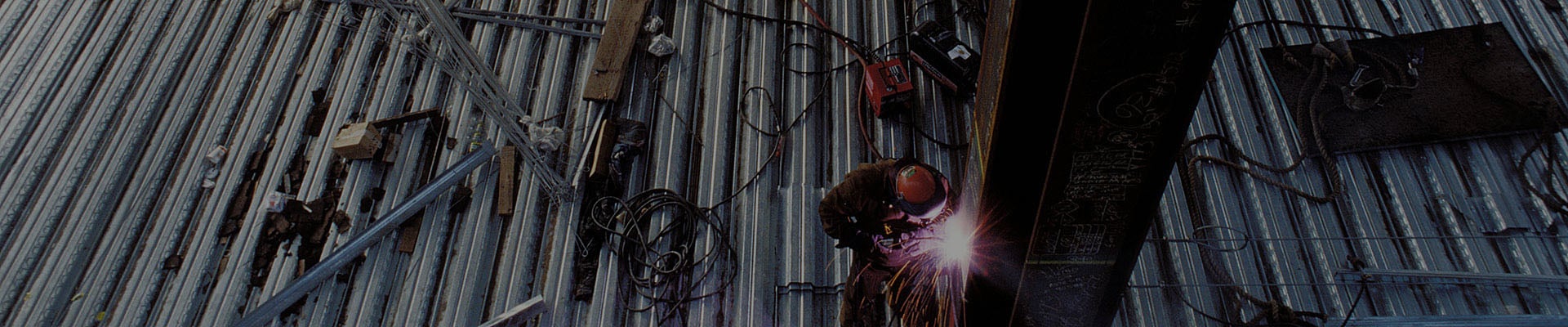

New construction technology and innovations are transforming the way projects are planned, built, and delivered, making the process faster and safer than ever.
Digital tools are becoming increasingly advanced, keeping teams aligned in real-time. Robotics and smarter equipment are reducing strain and preventing on-site injuries, and the list goes on. It seems that every day, we are introduced to a new advancement that will help contractors do more with less and improve project outcomes.
Below, we’ll explore some of the most impactful construction technology trends and other innovations that are driving change across the industry.
Why Keeping Up with Construction Technology Matters
Keeping up with construction technology not only gives contractors a competitive edge and advantage, but it also makes job sites considerably safer. Trends report construction firms indicate that digital technology enhances safety management on-site, and a notable increase in project efficiency after adopting digital tools. In an industry where schedules are tight and safety is critical, utilizing construction technology helps teams communicate better, reduce rework, and deliver more predictable project outcomes than ever before.
Top Construction Technology and Innovations Driving Change
1) Digital Software and Technologies
Digital tools are helping construction teams shift away from clunky, fragmented workflows and processes to fully integrated systems that streamline the entire construction process.
The following are just a few examples of digital software and other technologies that are making a huge impact in the construction industry:
 BIM (Building Information Modeling) — While BIM has been around for years, it continues to evolve with more advanced 3D modeling capabilities. BIM allows teams to create detailed structural, architectural, and systems models, giving project stakeholders a clear view of how components fit together — well before construction begins — rather than relying solely on traditional 2D drawings.
- Digital Twins — While BIM is a detailed 3D model used primarily for planning and design, a digital twin goes a step further by connecting that model to real-time data pulled from drones, GPS-enabled equipment, and other jobsite technologies during construction. This allows teams to see the building’s status on a daily basis and make needed adjustments as conditions change.
- Artificial Intelligence (AI) — Everybody seems to be talking about AI over the last couple of years, and it’s no surprise that it’s found a helpful place in construction. Today, AI supports estimating, scheduling, design inspiration, and code research. Large language models can quickly calculate quantities and analyze scenarios, helping teams make informed decisions faster while still relying on professional oversight for verification and accuracy.
- Drones — Drones reduce the need for manual site walks while providing accurate, up-to-date visual data throughout construction. They give teams an overhead view of the jobsite, making them ideal for surveying, progress documentation, real-time project updates, and aerial photography and video. The result is clearer, 360-degree visibility into how a project is progressing at every stage.
- AR/VR (Augmented & Virtual Reality) — This is a cool one. Did you know there are AR and VR headsets that now allow owners and stakeholders to virtually walk through a building before construction starts? With VR headsets, clients can experience spaces at full scale, improving decision-making and reducing late-stage design changes.

Learn how you can effectively plan your construction schedule.
2) Construction Equipment and Robotic Innovations
Construction work is physically demanding, and it can be challenging to find and retain crew members. This is why the industry is continually seeking ways to minimize the strain on workers while also considering productivity. New equipment and robotic innovations are helping to do just that, taking on the heaviest and most repetitive tasks so crews can work more efficiently and stay safer on the jobsite.
For example, robotic systems are increasingly being used to assist with repetitive or labor-intensive tasks. Below are additional construction innovations that are improving jobsite labor and safety:
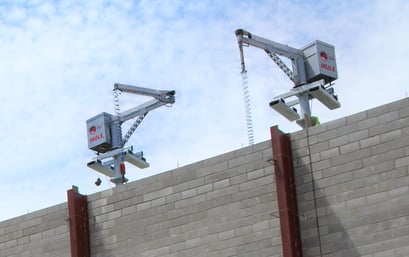
- The “MULE” (Material Unit Lift Enhancer) — The MULE is a compact lifting device used primarily in masonry work to reduce the need for manual block handling. Mounted on a small crane or lift, it uses a gripping mechanism to pick up and raise multiple masonry units at once, allowing workers to guide materials into position instead of lifting heavy blocks repeatedly. The result is smaller crews, less physical strain, fewer injuries, and increased productivity.
- Cordless, High-Power Hand Tools — Modern cordless tools now match — and often exceed — the power of traditional corded tools. Longer battery life and lighter weight reduce fatigue and give workers greater mobility across the jobsite. Additionally, the lack of cords eliminates tripping or entanglement risks.
- Improved Personnel Lifts and Aerial Equipment — Falls remain the leading cause of death in the construction industry, accounting for nearly 40% of fatal worksite injuries and a significant portion of nonfatal injuries each year. Personnel lifts have largely replaced ladders and scaffolding for elevated work, providing safer access to heights and helping reduce the risk of falls. Today’s lifts are faster, more precise, easier to control, and come equipped with the latest safety features.
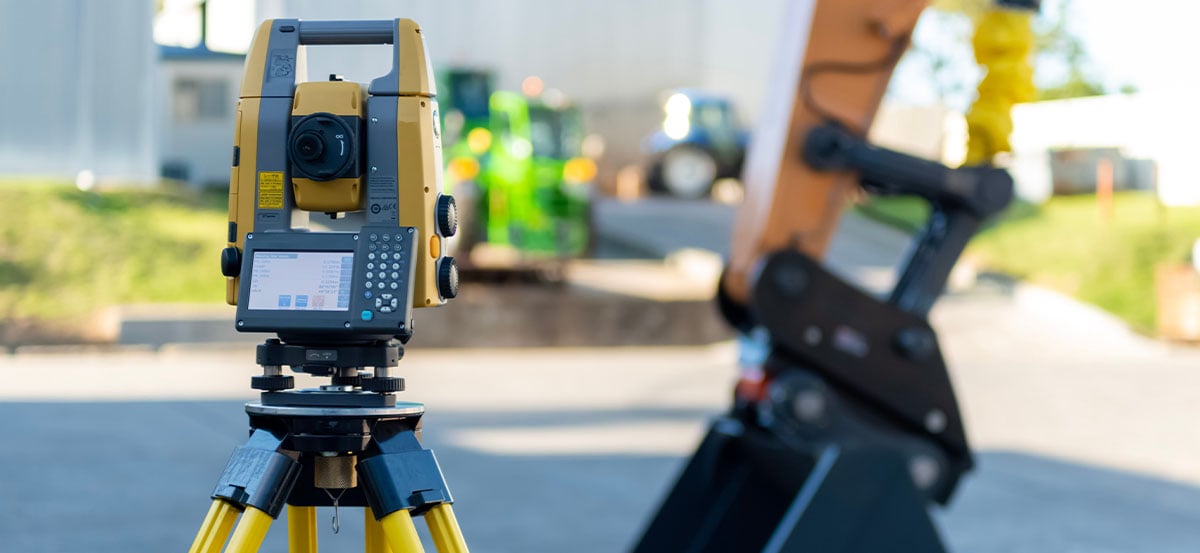
- Robotic Total Stations and GPS Layout Tools — Layout work that once relied heavily on tape measures, string lines, and manual marking is now handled using GPS-based robotic total stations. These tools allow crews to quickly and accurately transfer digital plans to the jobsite, pinpointing exact locations for walls, columns, footings, and utilities. By improving accuracy and significantly reducing layout time, robotic layout tools minimize human error and reduce the overall workload.
- Wearable Exoskeletons — Wearable exoskeletons, such as overhead assist systems, help support arms and shoulders during repetitive overhead work. By reducing strain and fatigue, these devices help prevent long-term injuries and allow crews to stay productive longer.
3) Advances in Personal Protective Equipment (PPE)
Some of the most meaningful construction innovations in recent years aren’t large machines or complex systems—they’re improvements to the personal protective equipment workers rely on every day. Advances in PPE now focus on enhancing safety while also improving comfort and usability, making gear easier to wear throughout long workdays. From head protection to hand safety and climate-ready workwear, even small upgrades can make a significant difference in jobsite safety and the short- and long-term health of construction crews.
- Modern Safety Helmets: Replacing traditional hard hats, today’s safety helmets feature chin straps to prevent dislodging during falls, improved airflow for added comfort, and integrated accessories such as face shields, earmuffs, and sun protection.
- Cut-Resistant Gloves: Advanced glove materials now provide strong cut protection without sacrificing dexterity, allowing workers to safely handle sharp materials while maintaining control and precision.
- Climate-Responsive Protective Clothing: Designed to address year-round conditions, from breathable, sun-protective apparel for hot weather to heated jackets that help workers stay warm, comfortable, and productive during cold winter months.
Ready to design your manufacturing facility? Explore our metal building design options and connect with our team to turn your vision into reality.
4) Modern Construction Methods and Material Innovations
Beyond tools and equipment, construction methods and materials are evolving to improve efficiency and sustainability.
- Modular and Prefabricated Construction — Prefabricated wall panels, structural components, and even entire building sections can now be manufactured off-site and installed quickly.
- Sustainable Materials and Recycling — Construction materials are increasingly designed with sustainability in mind. Concrete, steel, and other materials are now commonly recycled and reused — reducing landfill waste and environmental impact.
- GPS-Based Material Tracking — Large projects can now use QR codes or GPS-enabled tags on prefabricated and structural components, allowing crews to quickly locate materials on the jobsite and identify exactly where each piece belongs in the building. This reduces time spent searching for materials, minimizes handling errors, and keeps projects moving efficiently.
- Engineering Advances = Less Material Waste — Improved engineering and design software allow structures to use less material without sacrificing strength. Refined calculations and advanced modeling mean buildings can be stronger, lighter, and more efficient than ever before.
Looking Ahead
As construction technology continues to evolve, one thing remains true — successful projects still rely on skilled people, smart planning, and proven building practices. The latest technological advances in construction aren’t replacing that foundation; they’re strengthening it by making jobsites safer, workflows more efficient, and outcomes more predictable.
If you’d like to learn more about construction trends, building methods, and real-world project insights, explore the ACE Building Service blog for additional resources and expert perspectives.
Why Manufacturers in Northeast Wisconsin Choose A.C.E. Building Service
At A.C.E. Building Service, we offer more than just construction services; we provide peace of mind. Established in 1963, our foundation is built on a solid reputation of integrity, trust, and customer satisfaction. We serve diverse industries in Manitowoc, Sheboygan and Wisconsin's Lakeshore Area, and deliver projects that not only meet but exceed our clients’ expectations.
Through a long-standing partnership with Butler Manufacturing, we are able to offer pre-engineered metal buildings that are designed and executed to be functional, tasteful, and efficiently constructed under compressed project timelines.
Are you looking to hire a reliable general contractor for your manufacturing facility project? Please don’t hesitate to contact us!
Interested in learning more? Download the “How To Choose The Best Contractor For Your Industrial Project” guidebook below, which includes a checklist of questions to ask when choosing a contractor.