Key Takeaways:
-
Winter construction in Wisconsin is absolutely possible with proper planning, specialized equipment, and experienced contractors.
-
Ground thaw equipment, concrete blankets, and glycol heating units are essential for successful winter projects in Wisconsin's sub-zero conditions.
-
Commercial winter construction can sometimes offer unexpected benefits, including faster permitting, lower material costs, and reduced competition for skilled labor.
-
Professional winter contractors can maintain quality and safety standards even in Wisconsin's harshest conditions.
Starting a construction project in the dead of winter or even late fall can feel intimidating. Freezing temperatures, snow, ice, and limited daylight are enough to make anyone pause before breaking ground. But at A.C.E. Building Service, we see winter not as an obstacle, but as a season where our expertise sets us apart.
In this blog, we’ll break down the realities of commercial construction in winter, how we overcome common cold-weather challenges, and why starting your construction project in winter can even be beneficial.
Winter Construction in Wisconsin: Is It Possible?
Winter construction in Wisconsin is not only possible but common among experienced contractors. The key lies in proper planning, specialized equipment, and working with a team that has years of experience navigating Wisconsin’s unique winter challenges.
At A.C.E. Building Service, we’ve been building through Wisconsin winters since 1963. With more than six decades of cold-weather experience, our team knows how to anticipate obstacles, plan around weather, and keep projects on track.
Common Winter Construction Challenges and Solutions
Let’s take a look at the most common winter construction challenges and how our team overcomes them to deliver a project on time and within budget.
Frozen Ground
Challenge: Starting a project after frost has set in or even on frozen ground can be a deal breaker for some projects, but for others it can be almost a non-factor. A discussion with a reputable and qualified contract can help determine if your project should wait for warm weather conditions or begin in the throws of winter.
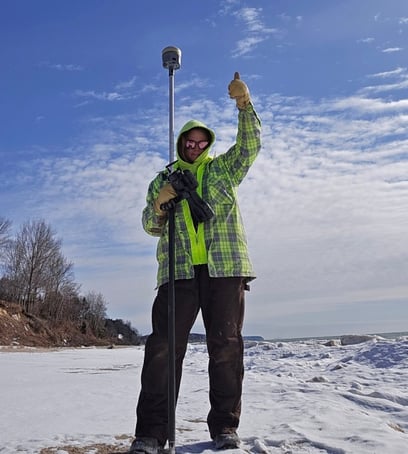
Solution: At A.C.E. Building Service, we rely on specialized excavation equipment, portable ground heaters, and proven thawing techniques to tackle frozen ground head-on. Actions like protecting the ground from frost with specialized blankets or cover material, thawing frozen ground with glycol heating units, or simply ripping through the frost are examples on how to keep a project moving forward and not succumbing to mother nature.
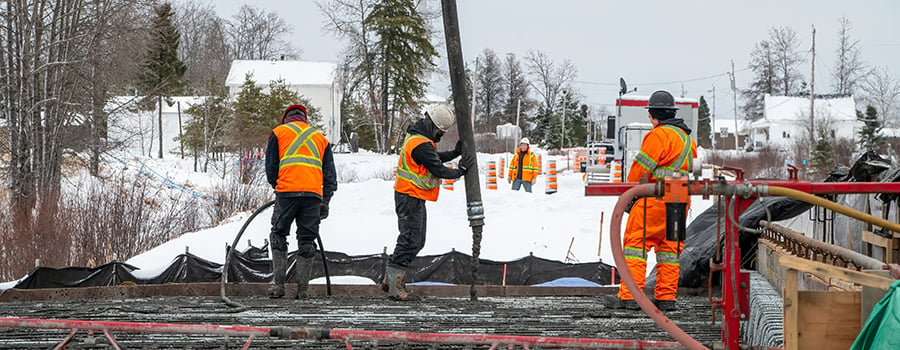
Professional-grade ground thaw equipment can prepare a typical commercial foundation site in a matter of hours to a few days, depending on frost depth and soil conditions. Heated propylene glycol circulation systems and insulated concrete blankets work together to maintain consistent soil temperatures throughout the construction process. These systems prevent refreezing during multi-day projects and ensure that excavated areas remain workable even during extended cold snaps.
Pouring Concrete in Cold Weather
Challenge: Concrete curing is one of the most temperature-sensitive phases of construction. If concrete freezes before it reaches adequate strength, it can lose up to half of its structural integrity, and in almost all cases result in the full removal and replacement, impacting the project schedule.
Solution: Our team takes extra care with concrete work during Wisconsin’s cold months by using chemical additives, hot water and heated aggregate at the ready-mix supplier’s batch plant, concrete blankets, and in some cases heated enclosures, and concrete blankets. These techniques allow the concrete to cure properly, ensuring strength, durability, and long-term stability.
Weather-Related Delays
Challenge: Heavy snow and ice accumulation can halt site access. Beyond the immediate hazards, winter storms can also delay material deliveries, reduce productivity due to limited daylight hours, and strain project timelines as crews work to clear and stabilize sites after each snowfall. Without proactive planning, these recurring weather events can quickly cascade into costly downtime and scheduling conflicts.
Solution: Careful planning upfront is key to keeping winter projects on schedule. Through our preconstruction services, we develop contingency plans, factor in potential weather delays, and prepare job sites and equipment to handle whatever Wisconsin’s winters bring. By anticipating challenges before construction begins, we plan for our projects to stay on track, regardless of the conditions that arise.
Want to understand how the design-build approach can make your next construction project smoother? Read our guide to design-build construction.
Leveraging Prefabrication and Pre-Engineered Metal Buildings
One of the most effective ways to minimize weather-related disruptions is through prefabrication and off-site manufacturing. A.C.E. Building Service partners with Butler Manufacturing, a leader in pre-engineered metal building systems, to streamline winter construction.
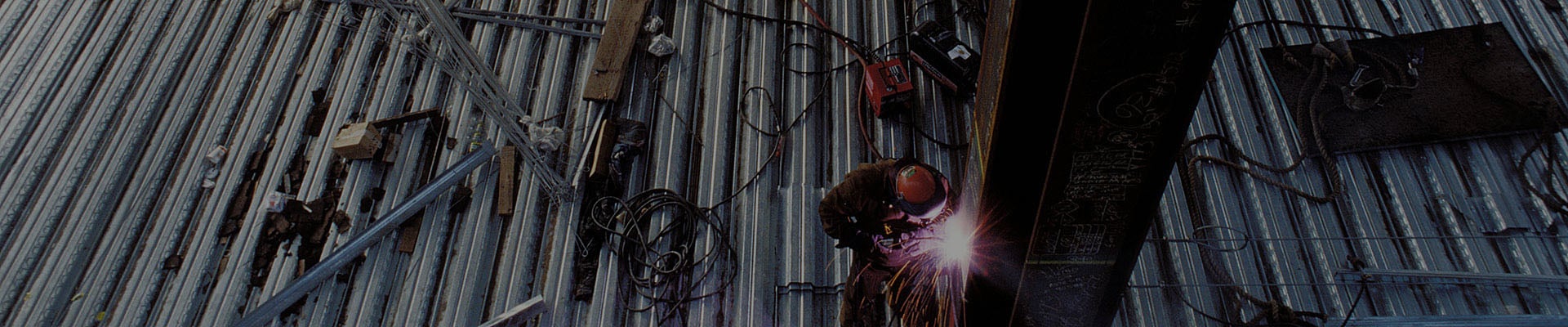
Because Butler building components are manufactured offsite in controlled environments, critical fabrication work happens indoors, protected from Wisconsin’s snow, ice, and freezing temperatures. Once complete, these precision-engineered components are delivered to the job site and assembled.
This process not only minimizes weather delays but also ensures superior quality control, faster erection times, and long-term durability. For many clients, pre-engineered metal buildings offer a cost-effective and reliable solution for year-round construction needs, regardless of the season.
Ready to start your commercial or industrial building project? Check out our pre-engineered metal building design gallery.
The Overlooked Benefits of Winter Construction
 Many people are surprised to hear there are actually several advantages to building during the winter. We’ve helped countless clients take advantage of these benefits to save time, reduce costs, and stay ahead of the busy construction season.
- Subcontractor Availability: With spring and summer being busy construction seasons, scheduling your project during the winter off-season can increase the availability of skilled contractors and laborers, potentially lowering your projected costs.
- Cost Savings Opportunities: Winter construction can also open the door to material and equipment savings. Because demand often drops in the colder months, manufacturers and suppliers may find a surplus of goods and equipment, flatening costs for the end consumer. Starting early in the season, such as in November or December, allows you to get critical foundations in place before the ground hardens, saving both labor costs and time. In many cases, the savings in securing materials prior to year over year or demand price increases outweighs the additional costs required for cold weather construction. Additionally, starting in late fall or early winter for most projects means completion in late summer or early fall. Who would rather move when the snow is flying versus the sun shining?
- Faster Project Start: Completing foundational or site work in winter means projects can move faster once spring arrives. You can also anticipate shorter construction permit approval times during the winter due to lower demand for project permits. Shorter approval times allow you to jump-start your project to beat the harsher weather conditions in late winter and avoid longer approval times come spring, when demand increases.
Looking for advice on choosing the right contractor for your manufacturing construction project? Check out our blog post.
If you’re wondering whether winter construction in Wisconsin can truly stay on schedule, check out this award-winning case study.
Why Choose A.C.E. for Your Winter Construction Project
At A.C.E. Building Services, we have decades of experience and local knowledge of building in harsh and cold winter conditions. Over the years, we’ve perfected reliable and proven systems and protocols that keep projects on schedule and within budget while allowing for the adaptation of construction plans around seasonal weather conditions.
Our team has perfected proven systems, protocols, and design-build delivery methods that keep projects on schedule and within budget, even when snow, ice, and freezing temperatures are part of the equation. From strategic preconstruction planning to on-site execution, we anticipate seasonal obstacles and adapt quickly, ensuring your project continues to move forward without compromise.
Winter doesn’t have to be a setback, it can be an opportunity. With A.C.E. by your side, you gain a partner who knows how to turn winter challenges into advantages for your construction project.
Contact us today to get your construction project started!
Winter Construction in Wisconsin FAQs